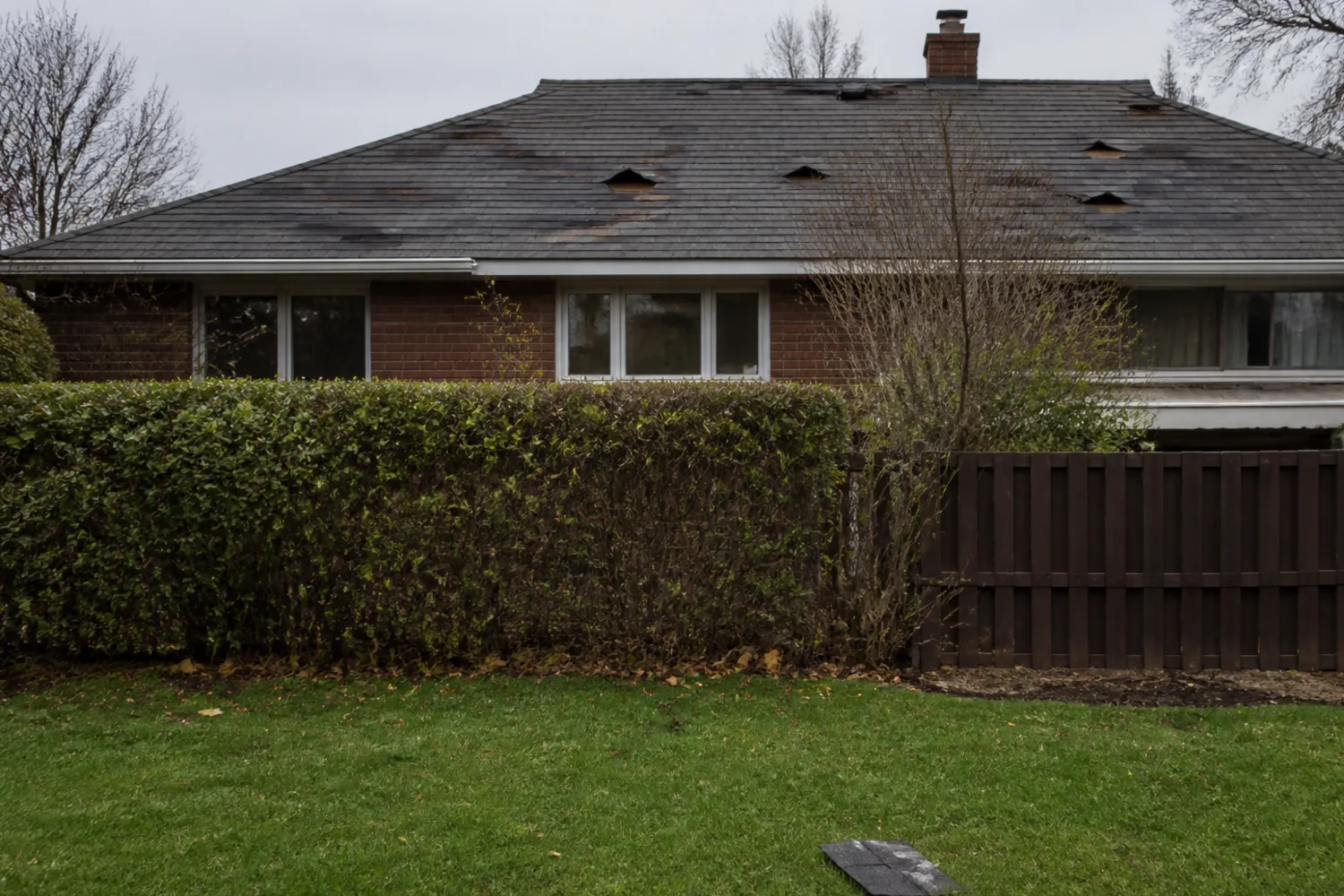
DECISION PRINCIPLE
Document and stabilize suspected roof damage while keeping contractor and insurer roles separate.
The guide keeps reported history, observed condition and inaccessible uncertainty separate. That gives a Toronto property owner a better basis for comparing repair or replacement scope without climbing onto the roof or accepting an unsupported promise.
01 / Storm roof documentation
Protect people from immediate hazards
Keep away from fallen lines, loose materials, unstable ceilings and slippery exterior areas, and use emergency services where appropriate. This checkpoint belongs in a Toronto roofing decision because a roof is a connected drainage assembly, not an isolated visible product. The observation should be located on a roof-zone map and related to the weather event, interior symptom or project objective that started the request. That context keeps a general rule from being treated as a diagnosis for a particular building.
For checkpoint 1, separate evidence into three columns: owner-reported history, conditions directly observed and items that could not be verified. Photographs should show both context and detail, while notes identify roof slope, membrane or shingle field, edge, wall, valley, drain or penetration. If safe access, weather or finishes prevent confirmation, the limitation should remain visible in the report and estimate.
The commercial decision is to document and stabilize suspected roof damage while keeping contractor and insurer roles separate. That requires a written boundary for removal, preparation, new material, tie-ins and exclusions. It also requires a change process for concealed deck, wet insulation, hidden flashings or other conditions that only appear after opening. A proposal is more useful when the owner can see which fact supports each line of work.
02 / Storm roof documentation
Record the event and first observations
Date, approximate time, wind direction, rainfall, hail or branch impact help connect later findings to conditions. This checkpoint belongs in a Toronto roofing decision because a roof is a connected drainage assembly, not an isolated visible product. The observation should be located on a roof-zone map and related to the weather event, interior symptom or project objective that started the request. That context keeps a general rule from being treated as a diagnosis for a particular building.
For checkpoint 2, separate evidence into three columns: owner-reported history, conditions directly observed and items that could not be verified. Photographs should show both context and detail, while notes identify roof slope, membrane or shingle field, edge, wall, valley, drain or penetration. If safe access, weather or finishes prevent confirmation, the limitation should remain visible in the report and estimate.
The commercial decision is to document and stabilize suspected roof damage while keeping contractor and insurer roles separate. That requires a written boundary for removal, preparation, new material, tie-ins and exclusions. It also requires a change process for concealed deck, wet insulation, hidden flashings or other conditions that only appear after opening. A proposal is more useful when the owner can see which fact supports each line of work.
03 / Storm roof documentation
Take only safe ground-level and interior photos
Wide context, affected elevation, fallen material and the interior symptom are useful; do not climb onto the roof. This checkpoint belongs in a Toronto roofing decision because a roof is a connected drainage assembly, not an isolated visible product. The observation should be located on a roof-zone map and related to the weather event, interior symptom or project objective that started the request. That context keeps a general rule from being treated as a diagnosis for a particular building.
For checkpoint 3, separate evidence into three columns: owner-reported history, conditions directly observed and items that could not be verified. Photographs should show both context and detail, while notes identify roof slope, membrane or shingle field, edge, wall, valley, drain or penetration. If safe access, weather or finishes prevent confirmation, the limitation should remain visible in the report and estimate.
The commercial decision is to document and stabilize suspected roof damage while keeping contractor and insurer roles separate. That requires a written boundary for removal, preparation, new material, tie-ins and exclusions. It also requires a change process for concealed deck, wet insulation, hidden flashings or other conditions that only appear after opening. A proposal is more useful when the owner can see which fact supports each line of work.
04 / Storm roof documentation
Prevent additional interior damage when safe
Move belongings, contain small drips and avoid electrical or structural hazards while qualified assistance is arranged. This checkpoint belongs in a Toronto roofing decision because a roof is a connected drainage assembly, not an isolated visible product. The observation should be located on a roof-zone map and related to the weather event, interior symptom or project objective that started the request. That context keeps a general rule from being treated as a diagnosis for a particular building.
For checkpoint 4, separate evidence into three columns: owner-reported history, conditions directly observed and items that could not be verified. Photographs should show both context and detail, while notes identify roof slope, membrane or shingle field, edge, wall, valley, drain or penetration. If safe access, weather or finishes prevent confirmation, the limitation should remain visible in the report and estimate.
The commercial decision is to document and stabilize suspected roof damage while keeping contractor and insurer roles separate. That requires a written boundary for removal, preparation, new material, tie-ins and exclusions. It also requires a change process for concealed deck, wet insulation, hidden flashings or other conditions that only appear after opening. A proposal is more useful when the owner can see which fact supports each line of work.
05 / Storm roof documentation
Separate temporary protection from permanent repair
A tarp or temporary seal is a distinct authorization with limitations, inspection needs and removal plan. This checkpoint belongs in a Toronto roofing decision because a roof is a connected drainage assembly, not an isolated visible product. The observation should be located on a roof-zone map and related to the weather event, interior symptom or project objective that started the request. That context keeps a general rule from being treated as a diagnosis for a particular building.
For checkpoint 5, separate evidence into three columns: owner-reported history, conditions directly observed and items that could not be verified. Photographs should show both context and detail, while notes identify roof slope, membrane or shingle field, edge, wall, valley, drain or penetration. If safe access, weather or finishes prevent confirmation, the limitation should remain visible in the report and estimate.
The commercial decision is to document and stabilize suspected roof damage while keeping contractor and insurer roles separate. That requires a written boundary for removal, preparation, new material, tie-ins and exclusions. It also requires a change process for concealed deck, wet insulation, hidden flashings or other conditions that only appear after opening. A proposal is more useful when the owner can see which fact supports each line of work.
06 / Storm roof documentation
Inspect adjacent roof material
A missing shingle or puncture is only part of the scope; surrounding tie-in condition and concealed moisture matter. This checkpoint belongs in a Toronto roofing decision because a roof is a connected drainage assembly, not an isolated visible product. The observation should be located on a roof-zone map and related to the weather event, interior symptom or project objective that started the request. That context keeps a general rule from being treated as a diagnosis for a particular building.
For checkpoint 6, separate evidence into three columns: owner-reported history, conditions directly observed and items that could not be verified. Photographs should show both context and detail, while notes identify roof slope, membrane or shingle field, edge, wall, valley, drain or penetration. If safe access, weather or finishes prevent confirmation, the limitation should remain visible in the report and estimate.
The commercial decision is to document and stabilize suspected roof damage while keeping contractor and insurer roles separate. That requires a written boundary for removal, preparation, new material, tie-ins and exclusions. It also requires a change process for concealed deck, wet insulation, hidden flashings or other conditions that only appear after opening. A proposal is more useful when the owner can see which fact supports each line of work.
07 / Storm roof documentation
Preserve damaged components and records where practical
Photos, invoices, material identification and removed samples may support review when handled safely and lawfully. This checkpoint belongs in a Toronto roofing decision because a roof is a connected drainage assembly, not an isolated visible product. The observation should be located on a roof-zone map and related to the weather event, interior symptom or project objective that started the request. That context keeps a general rule from being treated as a diagnosis for a particular building.
For checkpoint 7, separate evidence into three columns: owner-reported history, conditions directly observed and items that could not be verified. Photographs should show both context and detail, while notes identify roof slope, membrane or shingle field, edge, wall, valley, drain or penetration. If safe access, weather or finishes prevent confirmation, the limitation should remain visible in the report and estimate.
The commercial decision is to document and stabilize suspected roof damage while keeping contractor and insurer roles separate. That requires a written boundary for removal, preparation, new material, tie-ins and exclusions. It also requires a change process for concealed deck, wet insulation, hidden flashings or other conditions that only appear after opening. A proposal is more useful when the owner can see which fact supports each line of work.
08 / Storm roof documentation
Understand the contractor role
The roofer documents condition and prices work; the insurance policy and adjuster determine coverage and settlement. This checkpoint belongs in a Toronto roofing decision because a roof is a connected drainage assembly, not an isolated visible product. The observation should be located on a roof-zone map and related to the weather event, interior symptom or project objective that started the request. That context keeps a general rule from being treated as a diagnosis for a particular building.
For checkpoint 8, separate evidence into three columns: owner-reported history, conditions directly observed and items that could not be verified. Photographs should show both context and detail, while notes identify roof slope, membrane or shingle field, edge, wall, valley, drain or penetration. If safe access, weather or finishes prevent confirmation, the limitation should remain visible in the report and estimate.
The commercial decision is to document and stabilize suspected roof damage while keeping contractor and insurer roles separate. That requires a written boundary for removal, preparation, new material, tie-ins and exclusions. It also requires a change process for concealed deck, wet insulation, hidden flashings or other conditions that only appear after opening. A proposal is more useful when the owner can see which fact supports each line of work.
09 / Storm roof documentation
Approve permanent scope in writing
Repairs should name roof zones, materials, tie-ins, deck allowances, exclusions and change control. This checkpoint belongs in a Toronto roofing decision because a roof is a connected drainage assembly, not an isolated visible product. The observation should be located on a roof-zone map and related to the weather event, interior symptom or project objective that started the request. That context keeps a general rule from being treated as a diagnosis for a particular building.
For checkpoint 9, separate evidence into three columns: owner-reported history, conditions directly observed and items that could not be verified. Photographs should show both context and detail, while notes identify roof slope, membrane or shingle field, edge, wall, valley, drain or penetration. If safe access, weather or finishes prevent confirmation, the limitation should remain visible in the report and estimate.
The commercial decision is to document and stabilize suspected roof damage while keeping contractor and insurer roles separate. That requires a written boundary for removal, preparation, new material, tie-ins and exclusions. It also requires a change process for concealed deck, wet insulation, hidden flashings or other conditions that only appear after opening. A proposal is more useful when the owner can see which fact supports each line of work.
10 / Storm roof documentation
Verify the result after comparable weather
Completion photos and follow-up observations help distinguish a closed opening from unrelated remaining moisture. This checkpoint belongs in a Toronto roofing decision because a roof is a connected drainage assembly, not an isolated visible product. The observation should be located on a roof-zone map and related to the weather event, interior symptom or project objective that started the request. That context keeps a general rule from being treated as a diagnosis for a particular building.
For checkpoint 10, separate evidence into three columns: owner-reported history, conditions directly observed and items that could not be verified. Photographs should show both context and detail, while notes identify roof slope, membrane or shingle field, edge, wall, valley, drain or penetration. If safe access, weather or finishes prevent confirmation, the limitation should remain visible in the report and estimate.
The commercial decision is to document and stabilize suspected roof damage while keeping contractor and insurer roles separate. That requires a written boundary for removal, preparation, new material, tie-ins and exclusions. It also requires a change process for concealed deck, wet insulation, hidden flashings or other conditions that only appear after opening. A proposal is more useful when the owner can see which fact supports each line of work.
Toronto and Ontario sources to verify before roofing work
Permit requirements and consumer rules can change. Review the current City of Toronto building-permit guidance and Ontario information about hiring roofers and written renovation contracts. The property owner remains responsible for confirming project-specific requirements.
 Storm Damage Roof Assessment Toronto
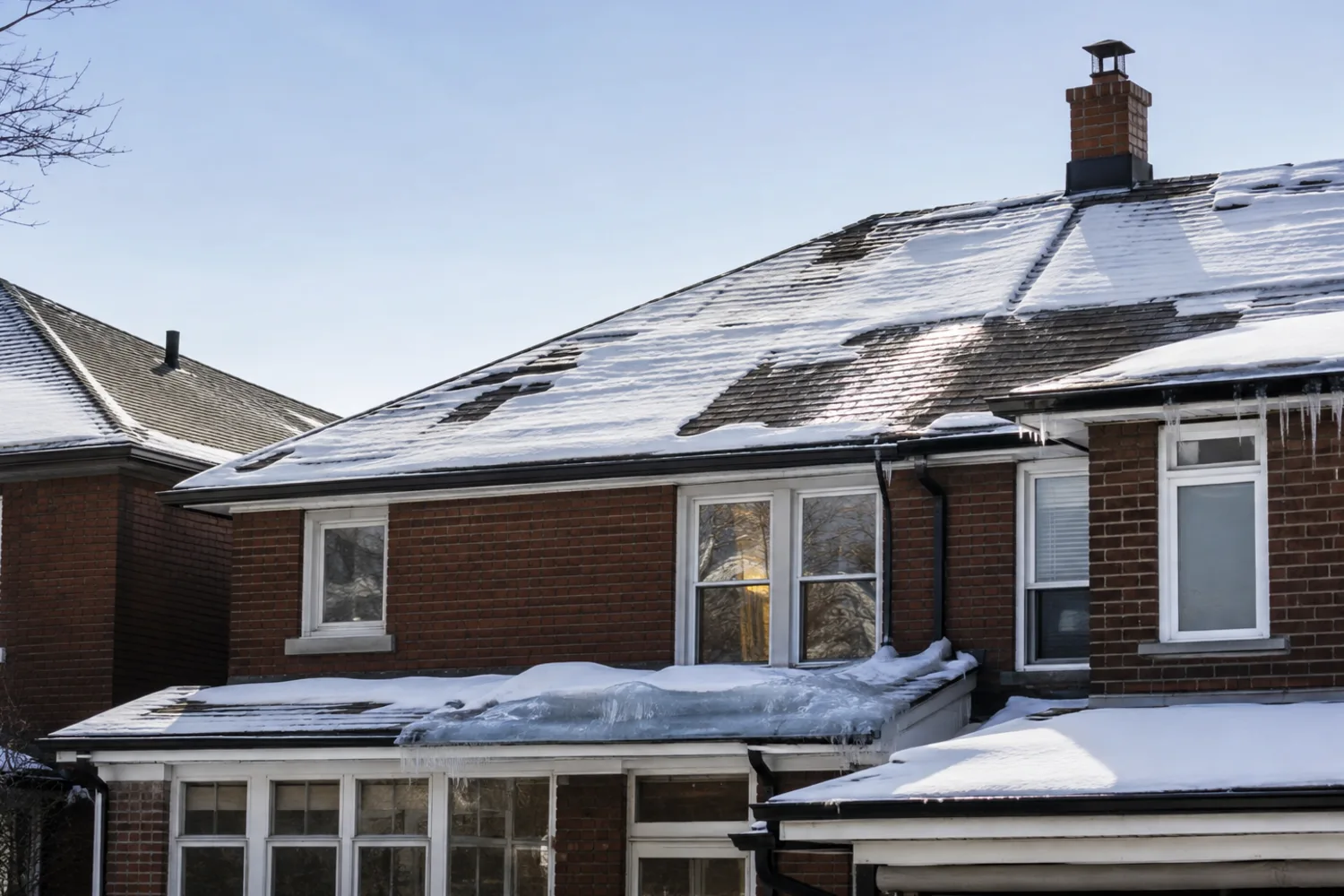
 Roof Leaking After Rain in Toronto
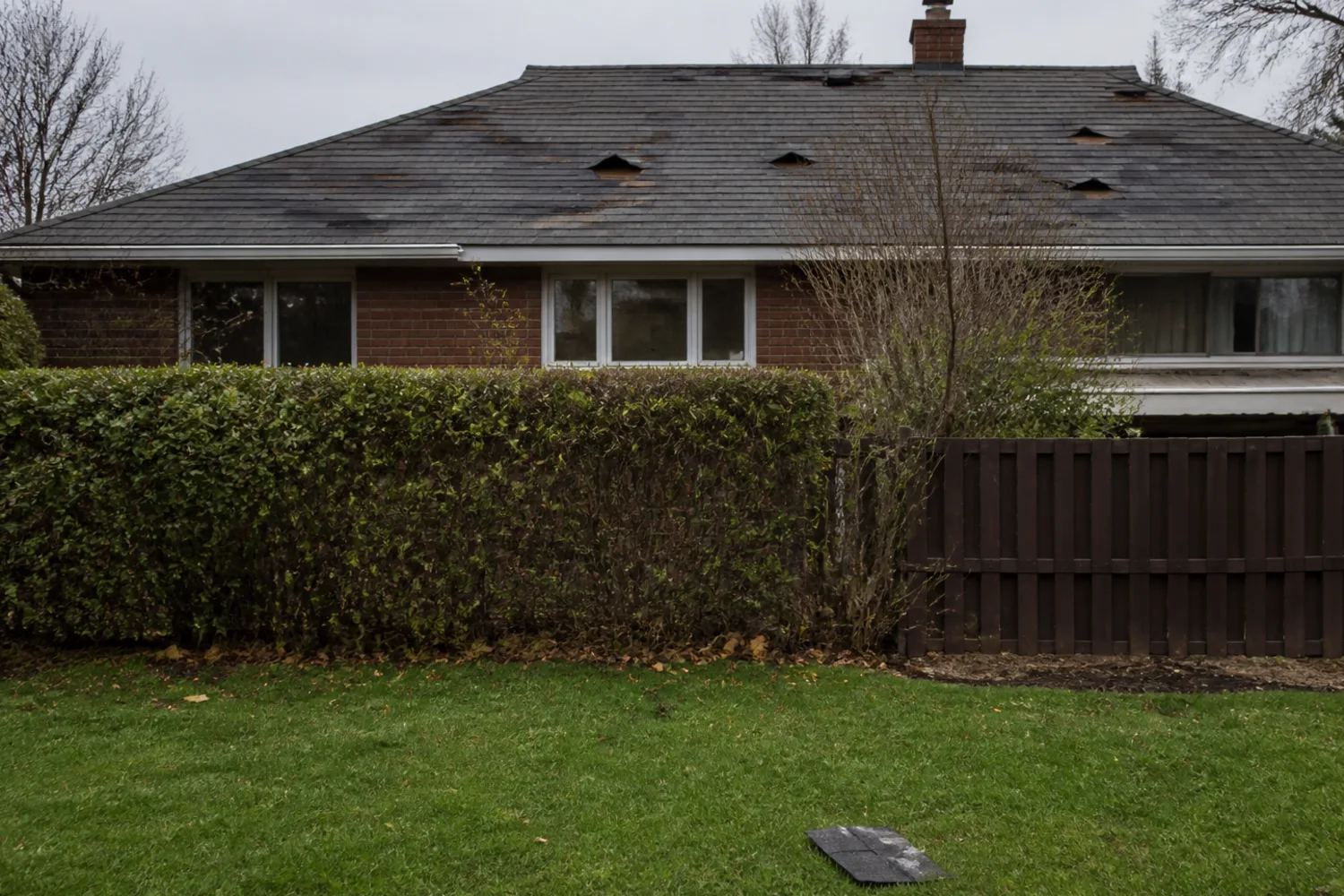 Missing or Wind-Damaged Shingles Toronto